Dentures Pantego
No Need to Live with Missing Teeth

Whether it’s due to trauma or the ultimate result of poor oral health, missing teeth can have a huge impact on your life; eating is much more difficult, it can be hard to speak properly, and you become more reluctant to smile in public. To help patients overcome these inconveniences, Dr. Prachi D. Shah is happy to offer dentures in Pantego to replace multiple teeth. If you need restorative work and would like to recapture a full, complete smile, schedule a consultation with us today.
Why Choose South Arlington Dental Care for Dentures?
- High-Quality Materials Used to Create a Natural Smile
- Convenient Appointment Times for Dental Patients
- Your Dental Insurance is Welcome
What are Dentures?

Dentures have been used for hundreds of years in one form or another as a replacement for missing teeth. They’re custom-made based on impressions of your mouth to create a comfortable fit. Full dentures are used when all of your teeth are missing, but if there are still some left, partial dentures that employ a metal framework are used instead.
Types of Dentures
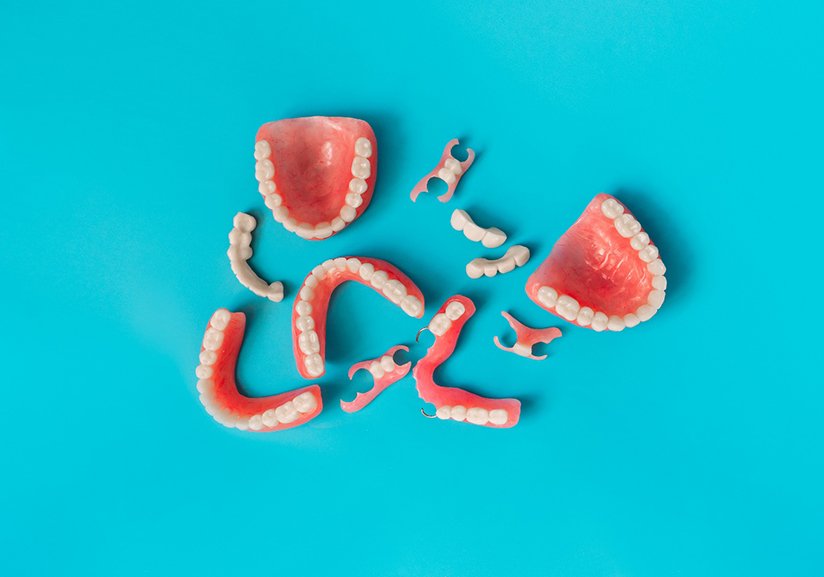
Potentially, anyone who has suffered from tooth loss might benefit from rebuilding their smile with dentures. Regardless of how many adult teeth went missing, Dr. Shah can provide a lifelike restoration to rebuild your smile’s appearance and functionality.
For example, those who have lost all or most of their permanent teeth may be good candidates for a complete set of dentures. Meanwhile, our team might recommend partials for those who have lost only a few sporadically throughout their arches.
However, if you’re seeking a more permanent and reliable solution for tooth loss, you might be a good candidate for implant dentures. This is the only option that involves surgically placing two or more support rods in your jaw that eventually fuse with the bone material for resilient results. These are then capped with specially designed restoration that usually aren’t intended to be removed and reinserted like traditional dentures.
The Benefits of Dentures
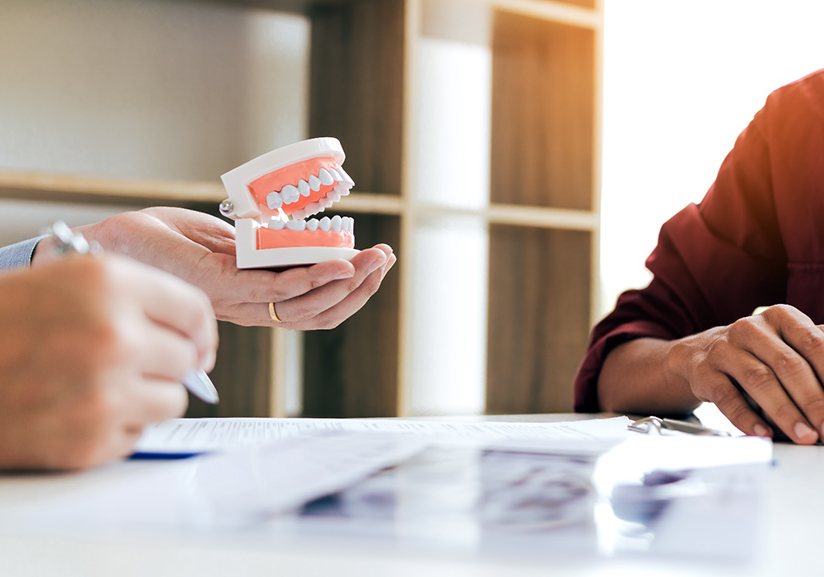
Missing teeth can detract from your daily quality of life in several ways. For instance, you might feel self-conscious about the changes to your appearance, or develop challenges with once-basic tasks, such as eating and speaking.
Thankfully, Dr. Shah can restructure your smile with lifelike dentures to overcome these concerns and enhance your day-to-day experiences. Continue reading to learn more about the many benefits of choosing to rebuild with one of these popular restorations!
Psychological Benefits

Did you know that people with oral problems are more likely to report feeling anxious or depressed? One of the first things people notice is the quality of your smile, and if you’re worried about being judged for your dental condition, you might avoid spending time with others.
Restoring your arches with customized dentures made to look and feel as lifelike as possible can enhance your appearance and boost your confidence, giving you some much-needed peace of mind during social interactions and activities.
Clearer Enunciation

You rely on two complete arches to form the different sounds needed to pronounce different words clearly. Unfortunately, gaps in your grin can lead to a slur, a lisp, or other changes in your speech patterns, making normal communication challenging.
Thankfully, dentures act as artificial teeth, so you can overcome these alterations in your enunciation. It sometimes takes about a month for patients to fully acclimate to wearing their new teeth, but they often overcome changes in their ability to speak caused by tooth loss.
Improves Nutrition

Many healthy ingredients that are good for your body, such as chewy meats or raw fruits and vegetables, are difficult to bite and chew without all your teeth. As a result, some patients develop gastrointestinal issues from swallowing overly large pieces of food or from malnutrition from sticking to softer, lower-nutrient options.
Fortunately, dentures restore a portion of your original bite force so that you can enjoy a wider variety of wholesome meals to support your oral and overall well-being.
Preserves Oral Health
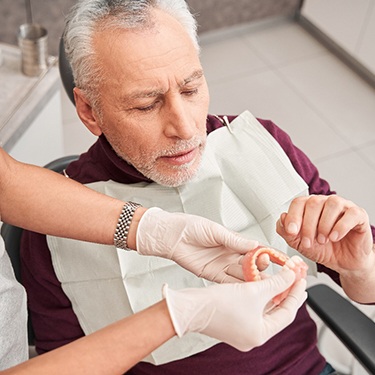
Any remaining natural teeth are prone to shifting out of alignment to fill in the empty spaces left by those that went missing. This can cause your enamel to wear down unevenly or prematurely, increasing the risk of damage and decay. It can also contribute to the development of TMJ disorders and aches.
Wearing your restoration every day helps keep everything in its ideal position to avoid these oral issues and safeguard your smile.
Expands Opportunities

According to a 2019 study, having dental problems is negatively associated with the probability of being employed. Thankfully, replacing lost teeth boosts your confidence and lets you put your best foot forward in all aspects of your life. This, in turn, can contribute to better professional achievements, more meaningful relationships, and an engaging social calendar.
Implant Dentures

One limitation of traditional dentures is that they do not affect bone loss. The jawbone relies on stimulation from the teeth to stay healthy and strong, so when they’re gone, the unused portion of the bone starts to deteriorate. However, dental implants – metal posts surgically placed in the jaw and permanently joined through osseointegration – can mimic the stimulation of natural teeth, preventing negative changes to the jawbone.
Dentures can be retained by dental implants to reap the health benefits. Additionally, they’re more secure than traditional dentures and provide even better chewing power. If you’re interested in implant-retained dentures, talk to Dr. Shah; she can examine your overall oral health and determine whether you are a good candidate for the procedure.
Understanding the Cost of Dentures

After learning about dentures, you’re probably more excited than ever to start rebuilding your smile. However, you may be wondering about the cost of dentures in Pantego before you decide to move forward with the process. During your consultation, our team at South Arlington Dental Care will conduct an oral examination and explain which factors will affect the final price. Following the appointment, you’ll have a better understanding of what you can expect to pay for your treatment.
Factors That Affect the Cost of Dentures

Multiple considerations can influence the price of dentures in Pantego, including:
- Any work needed beforehand, like tooth extractions or periodontal therapy
- The number of teeth you’re missing
- The type of acrylic used for the base (the part that is dyed to match the color of your gum tissue)
- The materials your denture will be made of (usually porcelain or acrylic)
Is cost a priority? If so, you may be tempted to opt for cheaper dentures. Even though the upfront cost is certainly lower, they tend to break easily and require replacement much sooner than you’d expect. That’s why quality should always be of utmost importance, regardless of the cost.
Are Implant Dentures More Expensive?

Yes, implant dentures are generally more expensive than traditional ones. However, there’s a good explanation for that. They require oral surgery and the placement of multiple dental implants, making them more reliable for everyday use since they do not shift out of place. Many patients discover this method of tooth replacement is well worth the investment because of several tremendous benefits.
Not only do implants stimulate the jawbone, but they can last decades or even a lifetime with proper care and maintenance with help from your denture dentist in Pantego. That means you won’t have to worry about replacing your dentures nearly as often!
Does Dental Insurance Cover Dentures?

Dentures are considered a major procedure, which is why most dental insurance plans will cover approximately 50 percent of their cost. Certainly, every policy is unique, meaning the amount of coverage provided will vary from patient to patient. If you have any questions about your plan, contact your insurance provider or ask our dental team for assistance. We will gladly review the details of your policy and do everything possible to maximize your benefits and reduce out-of-pocket expenses.
Other Options for Making Dentures Affordable

We understand not everyone has dental insurance, which is why we offer other avenues to make your dental bills much easier to manage. With CareCredit, Cherry, or Sunbit Financing, you can split the total cost of your treatment into smaller, budget-friendly monthly installments. Also, our VIP Savings Plan offers an array of benefits, including 20 percent off all dental procedures.
Ready to pursue the path that leads to a beautiful, complete smile? Contact us today to schedule a consultation so we can answer any questions you might have.
Dentures Aftercare
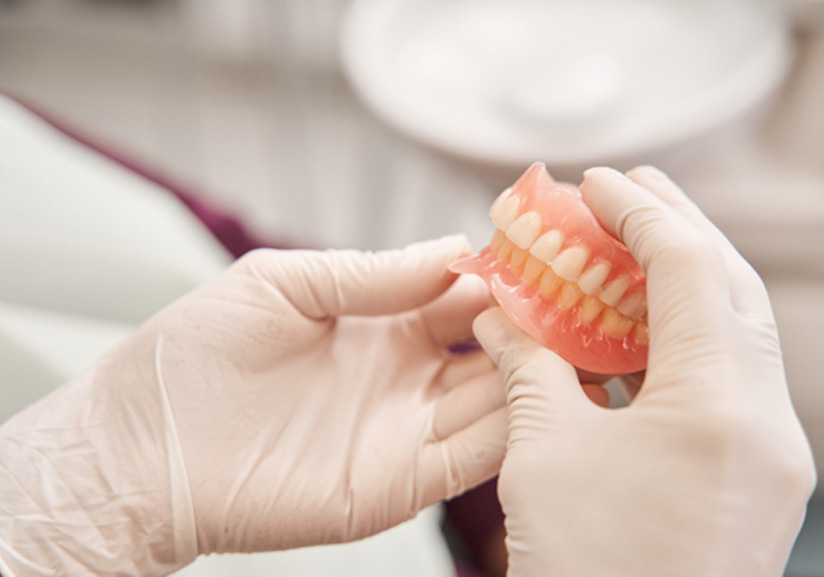
Whether you need a full or partial set, your new dentures can improve your appearance and enhance the function of your smile for years to come! However, even those who have lost all their natural teeth must maintain regular dental care to avoid common concerns, such as gum disease. In addition to scheduling routine checkups with Dr. Shah every six months, you must also keep your restoration clean to prevent potential problems.
Continue reading to learn how to care for your dentures to preserve their condition and safeguard your grin!
Removable Dentures
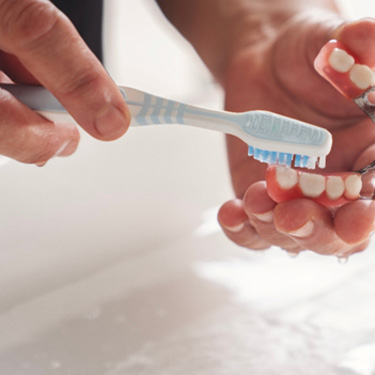
Remove After Eating
Dentures restore a portion of your original bite force so that you can enjoy a variety of wholesome foods to support your oral and overall well-being. But leftover bits of food can cling to their surfaces to attract plaque-forming bacteria that can contribute to periodontal concerns.
Removing your prosthetics after meals and gently rinsing them under running water helps remove harmful debris and germs. Please keep in mind that hot water can warp the base and cause it to no longer fit, so it’s best to use cool or room-temperature water.
Clean Your Restoration
In addition to rinsing after eating, you should take your dentures out morning and night to thoroughly but gently scrub all their surfaces with a soft-bristle toothbrush and clear dish soap that won’t abrade the materials. Standard or whitening toothpaste can potentially harm your new teeth and should be avoided.
Please do not use bleach, household cleaners, or other harsh chemicals, which can damage your dentures and may be toxic if ingested. Also, be sure to rinse them off before reinserting them so you don’t swallow any cleaners!
Keep Your Dentures Safe
Your restoration might chip, crack, or break altogether if it slips from your fingertips during a cleaning session and falls to the countertop or hard floor beneath you. Fortunately, you can help prevent potential injuries by placing a soft towel, pillow, or other cushion below you when you remove it to wash it off.
You may want to ensure your dentures are stored out of the reach of small pets or children when they’re not being used.
Remove Dentures When You Sleep
You might think it’s safe and acceptable to go to bed with your teeth still inserted, but this usually isn’t recommended. Your dentures rely on a firm suction against your connective tissues to remain in place, which reduces their circulation. This can cause sores or contribute to gum disease that harm your oral health and make wearing your restoration uncomfortable.
Instead, you can place your prosthetics in a glass of room-temperature water or a special soaking solution that eradicates germs while you sleep at night.
Notice Changes
Paying attention to your dental condition helps you notice changes that might point to the development of an underlying concern. For instance, if you notice your gums seem darker or puffier than usual, you should contact our office so Dr. Shah can treat gum disease or any other associated issues.
Also, if you have damaged or ill-fitting dentures, please contact our Pantego office for an appointment rather than trying to fix them yourself. Without professional experience and technology, you could cause soft-tissue injuries or a bite misalignment.
Dentures FAQs
Is It Hard to Talk with Dentures?
When you begin wearing your dentures, it can take some time to grow familiar with them when trying to speak, as you’ve likely grown used to talking with your natural teeth. The amount of time it takes to learn to talk with dentures always varies from patient to patient. However, the more you practice, the quicker you can adjust to them. Try elongating pronunciations, reading aloud to yourself, and having conversations with friends and family to help make the process smoother. Using denture adhesives can also provide the extra stability you need when still adjusting to your restorations.
Will Dentures Change the Shape of My Face?
Dentures can give you the necessary support to keep your facial muscles from deteriorating. This will allow you to maintain a healthy and youthful look. For this reason, it’s important that you see your dentist if you ever have ill-fitting dentures, as they’ll need to be adjusted or replaced to fit perfectly in your mouth.
What Can’t You Eat with Dentures?
Dentures will help you enjoy a varied and nutritious diet again, as you’ll be able to chew foods more easily than before. However, you should try avoiding sticky snacks, like peanut butter or gummy candies. They can move your restorations out of place and risk getting food matter stuck underneath them, irritating your gums in the process. Meals with tough meat, such as pork chops and steak, can be difficult to chew, which can place excessive stress on your mouth and dentures. Other foods have small pieces—including popcorn, shelled nuts, or carrot sticks—that can damage your dentures over time. To keep your restorations in place, try sticking with a softer diet.
Can I Sleep with My Dentures?
We recommend that you take your dentures out before going to bed, even if you wore them for 24 hours at the beginning of your treatment. Not only will it be a great time to soak them overnight to keep them bacteria-free, but it encourages circulation in your gums. Keeping dentures on for too long can cause soft tissue irritation, an increased risk of bacteria growth underneath the restorations, and vulnerability to higher levels of gum and tongue plaque buildup.
I Need a Checkup & Cleaning I Need a Dentist for My Child I Have a Cavity or Broken Tooth I am Missing One or More Teeth I Want to Enhance My Smile I Want a Straighter Smile I Have a Dental Emergency I am Worried About Gum Disease I am Scared of the Dentist I Snore/Have Sleep Apnea View Our Services